
SAMAJ WEEKLY UK

Bal Ram Sampla
Geopolitics
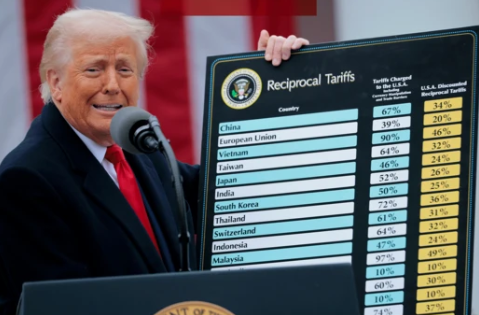
Trump’s recent tariff offensive against India focuses on two main complaints about India’s international partnerships. First, he accused India of not only purchasing large quantities of Russian oil but also reselling it on international markets for profit.
Second, he criticized India’s long-standing military relationship with Russia, noting that India has “always bought a vast majority of their military equipment from Russia”.
Trump threatening to raise them even further unless India changed its foreign policy approach.
Trump wants India to align its defence and energy policies with Western interests, in light of the ongoing conflict in Ukraine. This criticism suggests that America expects its partners to sacrifice their national interests in favour of American foreign policy, regardless of their own security needs or economic considerations.
India has pushed back against these criticisms. New Delhi called out the EU and the U.S., saying that they were also engaging in trade with Moscow , highlighting what it sees as hypocrisy in Western criticism of its Russian energy purchases.
The Indian Army’s Counter-Narrative Strategy
In response to these accusations, the Indian Army launched a strategic communication campaign that exposed the hypocrisy in American criticism. Through social media posts, the Army highlighted historical facts about US military aid to Pakistan.
It notes that “Arms worth $2 billion shipped since 1954” to India’s adversary. The Army reminded the international community of American support for Pakistan during the 1971 Bangladesh Liberation War, when the United States backed Pakistan despite its military actions against what would become Bangladesh.
By choosing to highlight specific historical examples rather than engaging in rhetoric, the Indian Army demonstrated that facts speak louder than diplomatic protests. The timing of this response, during the height of the tariff dispute, ensured maximum impact and international attention. The Army’s approach transformed the narrative from India being criticized for its partnerships to America being questioned about its own contradictory foreign policy history.
Historical Evidence of American Double Standards
The historical record strongly supports the Indian Army’s position about American hypocrisy. Throughout the Cold War period, the United States consistently provided military aid to Pakistan, even during periods when Pakistan was engaged in conflicts with India. During the 1971 war, when Pakistan’s military was committing atrocities in East Pakistan (now Bangladesh), the United States continued its support for the Pakistani government. This support included not only arms shipments but also diplomatic backing at international forums.
The current situation reveals ongoing double standards in American policy. While imposing 25% tariffs on India for its Russian partnerships, the United States has actually reduced tariff rates for Pakistan to 19%.
Additionally, US bilateral trade with Russia in 2024 stood at $5.2 billion, demonstrating that America itself maintains economic relationships with Russia while criticizing India for similar partnerships. These facts reveal a pattern of American foreign policy that applies different standards to different countries based on strategic convenience rather than consistent principles.
The Effectiveness of India’s Response
The Indian Army’s historical reminder has proved very effective in exposing American inconsistencies and strengthening India’s position in the international community. By focusing on documented facts rather than emotional arguments, the Army’s response has been difficult for American officials to counter or dismiss. The strategy has drawn international attention to the contradiction between America’s past support for Pakistan and its current criticism of India’s partnerships.
Conclusion
The Indian Army’s strategic response to American tariff threats has successfully exposed the hypocrisy of US criticism of India’s foreign partnerships. By highlighting America’s historical military support for Pakistan, particularly during the 1971 war, the Army demonstrated that American foreign policy has consistently applied different standards to different countries based on strategic convenience.
As this dispute continues to unfold, it serves a reminder that accusations of improper partnerships can quickly backfire when the accuser’s own record comes under scrutiny. The Indian Army’s response has not only defended India’s sovereignty in foreign policy decisions but has also contributed to a more honest discussion.
References
1.https://www.bloomberg.com/news/articles/2025-07-30/trump-says-he-will-levy-25-tariff-on-india-starting-aug-1?utm_source=website&utm_medium=share&utm_campaign=copy
2. https://www.bloomberg.com/news/articles/2025-08-04/trump-says-us-to-hike-india-s-tariffs-over-russian-oil-purchases?utm_source=website&utm_medium=share&utm_campaign=copy
3. https://www.foxbusiness.com/politics/trump-substantially-hike-india-tariffs-accuses-country-fueling-russian-war-machine