
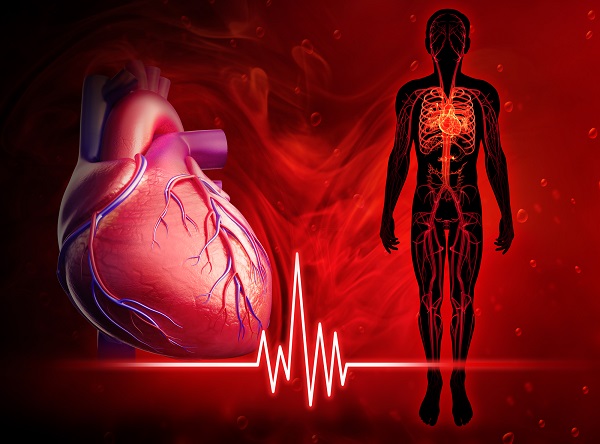

(Samajweekly) The human heart is one of the most vital and essential organ present in the body.The heart can be compared with a tireless pump that works from the moment life is conceived in the womb till the last breath of that life .The major function of the heart is to delivers oxygen and nutrients rich blood to every cell of the body.The heart supports metabolism and helps kidney and other body parts in the removal of waste products. Yet, despite its resilience, the heart can become weak or diseased.This could happen often due to lifestyle choices, environmental factors and aging. In today’s era of fast food, high stress and sedentary routines, protecting heart health has become more important than ever.
STRUCTURE AND FUNCTION OF HEART
External Structure:
The heart is surrounded by two layered tissue membrane which is medically known by the name pericardium. The space between the two layers is filled with fluid called pericardial fluid. The function of this fluid is to protects the heart from external pressure, push, shock and this fluid reduces friction during the heart beat and facilitates free heart contraction.
Internal Structure:
The heart is composed of outer pericardial, middle myocardial and inner endocardial layers, which correspond to tunica adventitia, tunica media and tunica internal respectively of the blood vessels layers. The human heart is a pinkish muscular organ roughly the size of a fist.It is located in the chest cavity between the lungs.
The heart consists of four chambers:
Right atrium – This part of heart receives deoxygenated blood from the body.
Right ventricle – The major function of right ventricle is to pump deoxygenated blood to the lungs.
Left atrium – It receives the oxygenated blood from the lungs.
Left ventricle – It pumps oxygen-rich blood to the entire body.
The heart’s pumping action is regulated by electrical impulses, ensuring a steady rhythm. It beats about 60–100 times per minute, circulating approximately 5–6 liters of blood per minute in a resting adult.
HOW THE HEART BECOMES UNHEALTHY
Several factors can impair the heart’s ability to function effectively:
1. Atherosclerosis (Plaque Build-up) –The Fatty deposits clog arteries resulting in reduced blood flow and increasing the risk of heart attacks.
2. Hypertension (High Blood Pressure) – Puts extra strain on the heart, leading to enlargement and weakening.
3. Coronary Artery Disease – Narrowing of coronary arteries reduces oxygen supply to the heart muscle.
4. Cardiomyopathy – Diseases of the heart muscle weaken its pumping ability.
5. Arrhythmias – Irregular heartbeats affect proper circulation.
6. Unhealthy Lifestyle – Smoking, alcohol abuse, poor diet, lack of exercise and chronic stress also plays a vital role in damaging the heart’s health.
7. Diabetes & Obesity –Diabetes and obesity Increases the risk of heart failure and artery blockages.
8. Aging – Natural wear and tear reduces the elasticity and pumping efficiency of the heart.
WAYS TO KEEP HEART STRONG
Scientific research consistently shows that lifestyle choices play a major role in heart health.
The major key measures includes the following:
Balanced Diet – Eating up of fruits, vegetables, whole grains, lean proteins and healthy fats (omega-3 fatty acids from fish and nuts) can boost the heart’s health.
Regular Exercise – The cardiologist accross the globe recommends of at least 150 minutes of moderate activity (walking, cycling, swimming) or 75 minutes of vigorous activity per week for maintaining heart in perfect shape.
Maintain Healthy Weight – The dietician of the world stresses on prevention of obesity which itself would reduces the strain on the heart.
Control Blood Pressure & Sugar –The elregular health check-ups could help in early detection of silent heart problems which could later become fatal.
Stress Management – Meditation, deep breathing, yoga or hobbies could reduce thecamount of stress hormone levels.
Adequate Sleep – 7–8 hours of quality sleep is recommended for improving the cardiovascular function.
Avoid Tobacco & Excess Alcohol – Any sort of tobacco and alcohol consumption could pose a major risk factors for heart disease.
DO’S AND DON’T S FOR HEART
Do’s:
1. Eat fresh, natural, and fiber-rich foods.
2. Stay physically active every day.
3. Drink adequate water.
4. Get regular heart health screenings.
5. Spend time outdoors for sunlight and fresh air.
Don’ts:
1. Avoid excessive salt, sugar and processed foods.
2. Do not skip regular exercise.
3. Avoid smoking or even passive smoking.
4. Limit caffeine and alcohol intake.
5. Avoid prolonged stress and lack of sleep.
The human heart is both delicate and powerful organ which plays a very important part for the survival of the living beings.The genetic factors can influence heart health, lifestyle choices remain the most critical determinant. By following heart-friendly habits and avoiding harmful practices, we can ensure that this vital organ continues to beat strongly for decades.
As the saying goes,
“Take care of your heart,
and it will take care of you.”
SURINDERPAL SINGH
FACULTY IN SCIENCE DEPARTMENT
SRI AMRITSAR SAHIB
PUNJAB.