
By: Surjit Singh Flora

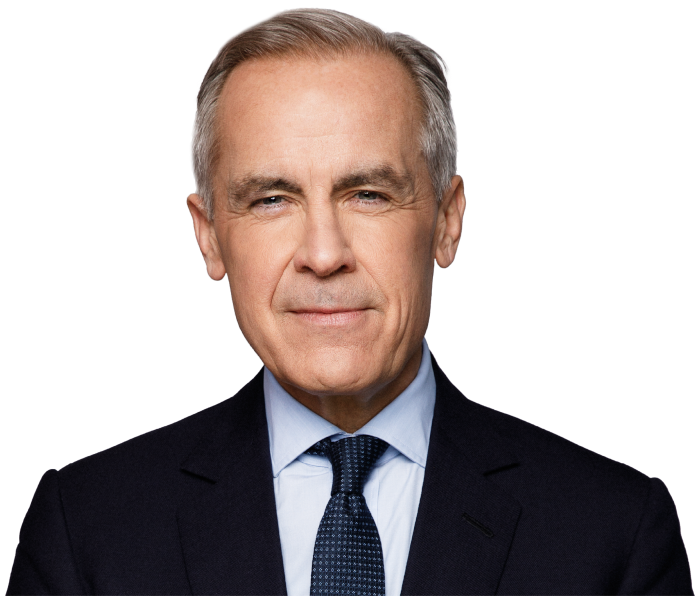
(Samajweekly) Mark Carney planned an India, Australia, and Japan visit from February 26 to March 7, which looks less like a ceremony and more like a stress test. The trip will extend trade, energy, tech, and defence ties. India matters because it’s Canada’s fastest route to a larger Indo-Pacific footprint, yet it’s also where Canadian diplomacy has recently struggled to stay predictable.
A short, tightly managed visit to Mumbai and New Delhi signals a change in method. The last high-profile trip, Justin Trudeau’s 2018 visit, dragged on for 11 days and lost focus amid avoidable distractions. Carney seems set on the opposite approach: fewer side events, more closed-door work, and fewer chances for noise to swallow the agenda. That choice is sensible because Canada and India don’t need another “reset” headline. They need routines, deadlines, and paper.
The economic case is plain. India is the world’s fastest-growing major economy and a central player in commerce and technology. In 2024, it ranked as Canada’s seventh-largest trading partner in goods and services, with two-way trade at $30.8 billion. Both governments have already put a higher target on the table: a Comprehensive Economic Partnership Agreement (CEPA) meant to more than double trade to $70 billion by 2030. Still, targets don’t move containers or sign contracts. Only rules and timelines do.
Carney’s advantage is that leader-level contact has already reopened the channel. He met Narendra Modi twice in 2025, first at the G7 in Kananaskis, then at the G20 in Johannesburg. Those meetings likely reduced friction and gave officials political cover to narrow their work to what can pass at home. In practice, that kind of cover matters because trade and security files stall when bureaucracies expect domestic backlash.
Planning reports also suggest both sides want measurable outcomes. Carney is expected to travel with his wife, Diana Fox Carney, and senior ministers, including Foreign Affairs Minister Anita Anand and Finance Minister François-Philippe Champagne. India’s High Commissioner to Ottawa, Dinesh Patnaik, has described an agenda spanning defence, trade, energy, agricultural foods, and more. Breadth can be a weakness if it becomes a shopping list. However, it can also be a strength if each file produces a modest written result.
The visit’s core problem is trust, not ambition. Businesses in both countries want clearer investment rules and fewer supply-chain surprises. Governments want cooperation in the Indo-Pacific and stronger energy ties. At the same time, both states protect sensitive sectors and face domestic pressure to look tough. That mix makes big announcements hard. It also makes small, trackable steps more valuable.
While trade should remain central, we cannot treat CEPA as a single pivotal moment. A realistic March outcome would be a formal restart, a negotiation calendar, and named leads on key chapters such as services, investment, standards, and digital rules. Firms can’t plan around open-ended “talks.” They can plan around milestones, even if the final deal remains distant.
Defence should come next, but keep your expectations real. Still, talks, maritime teamwork, training, and info sharing can move fast without any big buys. The key is structure, regular meetings, a work plan, and clear rules for sensitive intel. If this trip sets up a standing defence group with defined tasks, that’s real progress.
Quick wins are most plausible in the areas of education, research, innovation, and AI because schools, labs, and funders can act quickly. Joint grants, scholarships, and lab partnerships can launch in months, building ties that last as students and researchers later shape business and policy.
AI cooperation is the easiest win. Both countries have strong talent and need safer AI in public services and industry. So, they should team up on testing, risk checks, and responsible use in health, logistics, and government, while avoiding the toughest trade fights.
Energy and critical minerals offer the quickest wins if Mumbai talks draw private capital. Canada can supply resources and project know-how, while India adds scale and rising demand. Together, they can announce supply chain coordination, investment plans, or joint standards, but progress depends on stable rules.
Space, aerospace, and agri-foods belong on the list for the same reason: they can produce practical cooperation without waiting for a full CEPA. Satellite data sharing can support disaster response and crop monitoring. Agri-food progress can come from clearer inspection steps and aligned standards that cut delays at ports. These are not flashy wins, yet they build confidence because they help firms and citizens quickly.
Ultimately, we should evaluate Carney’s India stop based on a straightforward checklist. First, do both sides publish CEPA next steps with dates, not vague intent? Next, will they create a defence work plan with defined tasks and a meeting schedule? Then, do energy and critical mineral talks yield written cooperation plans or credible investment signals? Finally, do universities and research agencies launch programs with timelines, funding, and clear eligibility?
If those items land, Canada-India ties will look steadier through 2026. If they don’t, the trip will read as another tour with lofty language and thin follow-through. Both business and diplomacy value measurable commitments.