SR Darapuri, National President, All India Peoples Front

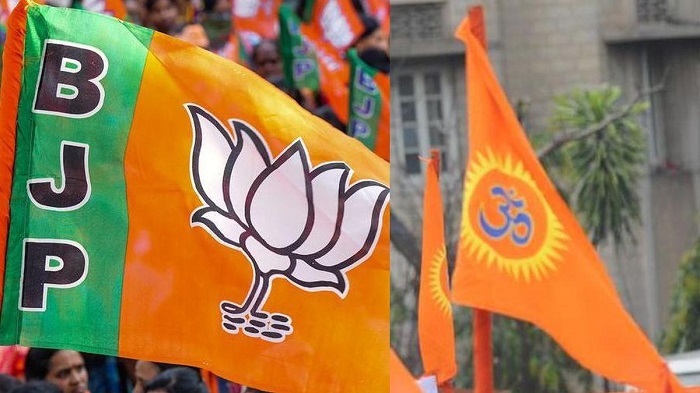
(Samajweekly) The Rashtriya Swayamsevak Sangh (RSS) and the Bharatiya Janata Party (BJP) have been closely associated with the promotion of Hindutva, an ideology that emphasizes Hindu cultural and national identity. While the RSS positions itself as a socio-cultural organization and the BJP as its political wing, their strategies for promoting Hindutva often intertwine religion with nationalism. Below is an analysis of how they have used religion to advance this ideology, based on available information and critical examination:
- Framing Hindutva as Hindu Cultural Identity
– RSS’s Role: Founded in 1925 by Keshav Baliram Hedgewar, the RSS promotes Hindutva as “Hindu-ness,” portraying it as a cultural and national identity rooted in Hindu traditions, rather than strictly a religious doctrine. Through its network of *shakhas* (local branches), the RSS organizes activities like Hindu catechism classes, yoga, and drills to foster a sense of Hindu unity and pride, emphasizing India as a *Hindu Rashtra* (Hindu nation). These activities often invoke Hindu rituals, symbols, and narratives to create a collective identity.
– BJP’s Political Messaging: The BJP, as the political arm of the Sangh Parivar (the RSS-led family of organizations), integrates Hindutva into its governance and electoral strategies. Leaders like Narendra Modi, a longtime RSS member, blend Hindu symbolism with political rhetoric, presenting themselves as protectors of Hindu heritage against perceived threats from secularism or minority communities. For instance, Modi’s public persona as the “Hindu Hridyasamrat” (Emperor of Hindu Hearts) combines religious imagery with nationalist appeal.
- Mobilizing Religious Symbols and Issues
– Ayodhya Ram Temple Movement: The RSS and BJP played pivotal roles in the decades-long campaign to build a Ram Temple at the disputed site in Ayodhya, where the Babri Masjid stood until its demolition in 1992 by Hindu activists. The RSS mobilized volunteers (karsevaks) and framed the issue as a restoration of Hindu pride, while the BJP leveraged it for electoral gains. The 2019 Supreme Court ruling allowing the temple’s construction was celebrated as a victory for Hindutva, with both organizations claiming credit.
– Cow Protection Campaigns: The RSS has long advocated for cow protection, a cause rooted in Hindu reverence for the cow as sacred. The BJP has translated this into policies, such as anti-cow slaughter laws in various states, which resonate with Hindu sentiments but have been criticized for targeting Muslim and lower-caste communities involved in the meat industry. These policies reinforce a Hindu-centric narrative of cultural purity.
– Cultural Events and Media: The RSS organizes workshops, festivals, and lectures that highlight Hindu traditions, while the BJP promotes these through media. For example, television broadcasts of Hindu epics like *Ramayan* and *Mahabharat* are used to reinforce cultural continuity and Hindu identity. Textbooks have also been revised under BJP-led governments to emphasize Hindu contributions to Indian history, often downplaying or reframing non-Hindu influences, such as Mughal history.
- Creating a Narrative of Hindu Victimhood
– Both organizations promote a narrative that Hindus are under threat from minorities, particularly Muslims, due to historical invasions, alleged “love jihad” (interfaith marriages), or illegal immigration. This narrative justifies Hindutva as a defensive response to protect Hindu culture. For example, BJP-led policies like the Citizenship Amendment Act (CAA) and anti-conversion laws are framed as safeguarding Hindu interests but have been criticized for discriminating against minorities.
– This rhetoric often amplifies religious tensions, with RSS affiliates like the Vishva Hindu Parishad (VHP) and Bajrang Dal mobilizing supporters around issues like temple reclamation or cow protection, sometimes leading to communal violence.
- Organizational Reach and Grassroots Mobilization
– Shakhas and Community Engagement: The RSS’s *shakhas* (over 50,000 as of 2015) serve as grassroots platforms to instill Hindutva values through religious and cultural activities. These sessions emphasize Hindu history, discipline, and patriotism, often invoking religious figures like Lord Ram or historical Hindu warriors to inspire loyalty
– Sangh Parivar’s Network: The RSS oversees a vast network of organizations, including the VHP, Akhil Bharatiya Vidyarthi Parishad (ABVP), and Bharatiya Mazdoor Sangh, which extend Hindutva’s reach into education, labour, and youth. These groups use religious festivals, charity work, and educational programs to embed Hindu nationalist ideals in everyday life.
– Global Outreach: Through affiliates like the Hindu Swayamsevak Sangh (HSS), the RSS engages the Hindu diaspora, organizing religious and cultural events in countries like the US, UK, and Australia to maintain Hindu identity abroad. This strengthens global support for BJP’s policies and Hindutva ideology.
- Political and Policy Influence
– BJP’s Electoral Success: The BJP’s rise to power in 2014, 2019, and 2024 elections has mainstreamed Hindutva. Policies like the Goods and Services Tax (GST) and demonetization are paired with symbolic religious gestures, such as renaming cities (e.g., Allahabad to Prayagraj) to align with Hindu heritage. These moves appeal to Hindu voters while reinforcing the idea of India as a Hindu nation.
– RSS’s Policy Influence: The RSS influences BJP policies behind the scenes, with many BJP leaders, including Modi, being RSS members. For example, Modi’s attendance at an RSS conclave in 2015 signaled his alignment with its ideology. The RSS also runs summer camps and training programs that sometimes include militaristic elements, fostering a disciplined cadre committed to Hindutva.
- Criticism and Controversies
– Critics argue that the RSS and BJP exploit religion to foster division, accusing them of promoting intolerance against minorities, particularly Muslims and Christians. The RSS has been banned three times in India, including after the 1948 assassination of Mahatma Gandhi by a former RSS member, and has been linked to communal violence, such as the 2002 Gujarat riots under Modi’s tenure as Gujarat’s chief minister.
Critical Perspective
While the RSS and BJP frame their use of religion as a means to unify Hindus and preserve cultural heritage, critics argue it often promotes exclusionary majoritarianism, undermining India’s secular constitutional framework. The blending of Hindu rituals, symbols, and narratives with political agendas has been effective in mobilizing voters but risks alienating minorities and fueling communal tensions. Conversely, supporters view these efforts as reclaiming India’s Hindu identity after centuries of perceived foreign domination (e.g., Mughal and British rule). The truth likely lies in a complex interplay of genuine cultural pride and strategic political mobilization, with religion serving as a powerful tool to achieve both ideological and electoral goals.
Courtesy: grok.com