
SAMAJ WEEKLY UK

Bal Ram Sampla
Geopolitics
The main job of any strong government is simple: protect its people and stand up for them if they are harmed.
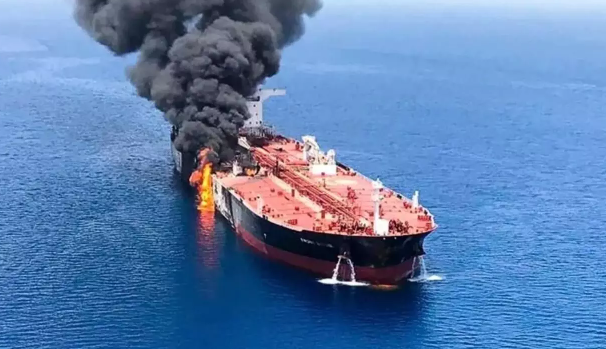
But after the U.S. military killed three innocent Indian sailors—Aditya Sharma, Shivanand Chaurasiya, and Patnala Suresh, in the Strait of Hormuz, the Indian government’s response didn’t match its strong words. Prime Minister Modi often talks about India being a new global superpower, but this tragedy showed a big gap between that tough talk and real action.
1. Behind-the-Scenes Chats Are Not Justice
When a Western country loses citizens to a foreign military, they don’t stay quiet. They demand public apologies, independent investigations, and millions in compensation.
India took a much weaker path:
(I) The Diplomatic Show: Calling the U.S. ambassador into a private room to complain is just standard paperwork. It is a show for the public at home, not a real punishment for Washington.
(II) Asking for Favors: Bringing up the deaths on the sidelines of the G7 summit felt like asking for a favor rather than demanding accountability.
The Cold U.S. Response: The White House basically brushed the tragedy off, calling sailing a “rough profession.” They refused to offer a public apology or state-level compensation. Despite India’s supposed power, the U.S. knew it could give India nothing and get away with it.
2. What Good Is a Huge Economy If You Don’t Use It?
The government loves to brag about India’s booming economy and how much the U.S. needs India as a partner.
But if India cannot use that leverage to protect its workers, who make up 20% of all sailors worldwide, then economic size is just a meaningless number.
By failing to push for a formal apology, New Delhi sent a dangerous message to the world: Indian lives can be treated as collateral damage, and there will be no real consequences.
3. Left to Fight Alone
Because the government refused to take a hard line, the grieving families and maritime labour unions were left to fight by themselves. The Forward Seamen’s Union of India had to bypass the government entirely to demand $5 million in compensation from the U.S.
When citizens have to fight a foreign superpower’s military alone, their government has failed them.
The Bottom Line
Quiet diplomacy is fine for trade deals, but it fails when citizens are killed. By choosing to keep things smooth with Washington instead of demanding justice, the administration chose political convenience over the lives of its own people.
Reference
1.https://www.theguardian.com/world/2026/jun/11/delhi-issues-strong-protest-after-us-fire-kills-three-indian-seafarers-in-gulf?CMP=share_btn_url
2.https://www.straitstimes.com/asia/south-asia/india-us-ties-are-strained-after-an-attack-in-the-strait-of-hormuz-whats-next-for-the-two-countries
3.https://www.jpost.com/middle-east/iran-news/article-899099?hl=en-