SAMAJ WEEKLY UK
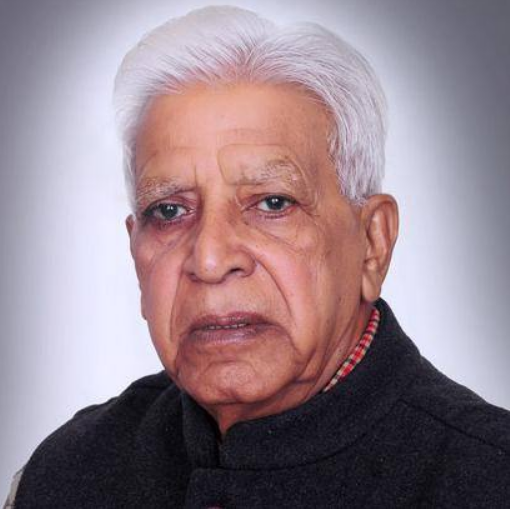
DR.Ramjilal, Social Scientist,
Former Principal, Dyal Singh College,
Karnal (Haryana, India)
Email: [email protected]
Brief:
The Kambojas, an ancient Kshatriya community, are believed to have migrated from their original homeland in Central Asia to various parts of India during the second and first centuries BCE. Buddha Prakash states, “The Kambojas arrived in India and dispersed throughout northern India alongside the Shakas.” Historical sources indicate that their migration spread from Central Asia and northwestern India to regions such as Punjab, Haryana, Uttar Pradesh, Rajasthan, Bengal, Gujarat, South India, Cambodia, and Sri Lanka. This article analyses the geographical origins, causal factors, and socio-cultural impacts of the Kamboja migration based on textual, archival, and historical sources.
Explanation:
Ancient texts, including the Rigveda, Mahabharata, Manusmriti, and Panini’s Ashtadhyayi, classify the Kambojas as a Kshatriya community. Historically, the capital of the Kamboja Mahajanapada was Rajpur, which is now identified with Rajouri in Jammu and Kashmir. Political turmoil, invasions, and various economic factors led to the migration of different sections of the Kamboja Mahajanapada across the Indian subcontinent.
Ancient Origin Location:
Uttarapath and Beyond:
The Vedic and Puranic texts locate the Kambojas in the Uttarapatha, which includes present-day Afghanistan, Badakhshan, Chitral, and the Pamir region. The Vamsha Brahmana references an Acharya named Kamboja Aupamanyava, indicating Aryan habitation in the northwest. Ancient Persian documents identified the Kambojas as Kambojiya, and they were renowned for their cavalry and Kamboja-Ashva horses.
Reasons for Migration:
The main reasons for migration are:
1. Political and Military Events: Maharaja Sudarshan Kamboja’s sister, Bhanumati Kamboja, was married to Duryodhana. To honour her, Kamboja led the Kauravas army with an Akshauhini force during the Mahabharata war, where he was martyred while facing Arjuna on the fourteenth day of battle. Following the war, a period of migration began, with some Kambojs settling in Nabha (Punjab) and becoming known as “Kamboh.” Additionally, instability caused by attacks from the Shaka, Yavana, and Hun tribes contributed to the Kamboja migration.
2. Pressure from Central Asia: In the second and first centuries BCE, the Shaka-Kamboja alliance expanded into western and southwestern India. During this time, various tribes from Central Asia established a presence in the Indian subcontinent. The invasions and trade activities of these tribes created instability among the local population, leading many Kambojas to flee their homeland.
3. Economic Factors: The migration of the Kambojs was driven not just by political and military factors but also by economic reasons. In search of better agricultural opportunities and trade resources, many Kambojs relocated to new regions. This search for improved living standards and opportunities continued to motivate their migrations.
4. Cultural Exchange: Throughout their migration, the Kambojas encountered different cultures and traditions, which played a significant role in their social and cultural development. After settling in new areas, they adopted local customs while also sharing their own cultural values.
Thus, the migration of the Kambojas was a complex process influenced by political, economic, and cultural factors. This movement not only impacted their lives ,but also contributed to the cultural diversity of the Indian subcontinent. The experiences and traditions of the Kambojas enriched Indian society and promoted dialogue between different cultures. Therefore, the history of the Kambojas is an essential chapter in understanding how various elements influence the development and migration of communities.
Main Phases of Kamboj Migration Expansion:
1. Punjab and Haryana: A significant expansion of Kamboja migration in Punjab and Haryana occurred during the reign of Ghazni, following the Battle of Kurukshetra. During this period, many Kambojas converted to Islam and adopted the name ‘Kamboh,’ becoming recognised as ancient inhabitants of Kabul. Influenced by the humanistic values of Sikhism, many Kambojas embraced this faith. Today, the Kamboja population in Punjab, comprising Hindus, Muslims, and Sikhs, numbers in the millions, primarily engaged in agriculture, trade, and government roles. In Haryana, Kamboj communities can be found in Karnal, Yamunanagar, Ambala, Pehwa, and Sirsa. After the 1947 partition, many Kambojas settled in Sirsa, Pehwa, and Shahabad. Dera Baba Bhuman Shah, a revered site for Kambojas who migrated from Pakistan, is located in Sirsa. Over time, several representatives from this community have been elected to the legislative assemblies of both states.
2. Rajasthan, Gujarat, and Malwa: The Barhaspatya Arthashastra mentions the Kambojas residing near the Dasharnas, referred to as “Mahavishya.” The Vishnudharmottara Purana and Rajbilas indicate their presence in the regions of Kutch, Saurashtra, and Gurjar. The Garuda Purana notes two Kamboja settlements in southwestern and southern India.
3. Bengal and Eastern India: During the tenth and eleventh centuries CE, the Kamboja Bengal-Pala dynasty ruled portions of northern and western Bengal, including the ancient Gauda region. For the Kamboja people, this period marked a significant geopolitical shift as they transitioned from being military service providers to establishing a free and independent kingdom in eastern India.
How Did the Kambojas Get to Bengal?
The main factors are:
1. Military Cavalry: The Pala Empire of Bengal recruited a significant number of Kamboja cavalry from the northwest, particularly during the reign of Devapala, due to a shortage of local cavalry in Bengal.
2. Gurjara-Pratihara Invasions: Notable historians, such as H.C. Raychaudhuri, suggest that after the military advance of the Gurjara-Pratihara Empire eastward, a second wave of Kambojas migrated to Bengal.
3. Seizing Power: In the mid-tenth century, local Kamboja military leaders rebelled and took control of northern and western Bengal following attacks that weakened the main Pala Empire during the reigns of the Chandela and Kalachuri dynasties.
Main Kings of the Kamboja-Pala Dynasty:
During the 10th and 11th centuries, the Kamboja-Pala dynasty ruled over northern and western Bengal, as evidenced by various inscriptions. Historical inscriptions, such as the Bangarh Pillar Inscription and the Irda Copperplate, confirm the names of independent Kamboja rulers in Gauda. The inscriptions document the names of the Kamboja kings of Bengal, including notable kings such as Rajyapala Kamboja (911-925 CE), Narayanpala Kamboja (925-935 CE), Nayapala Kamboja (935-950 CE), Dharmapala Kamboja (950-975 CE), and Bhimpala Kamboja (975-990 CE). Rajyapala Kamboja (921-925 AD) is considered the founder of the Kamboja kingdom in Bengal. The Dinajpur Pillar Inscription describes him as the king of Gauda, with his capital at Priyangu or Bangarh. Rajyapala and Narayan Pala, collectively as the Kamboja dynasty, were instrumental in establishing independent Kamboja rule in Bengal. Rajyapala is often referred to as “the pride of the Kamboja dynasty” in several inscriptions.
During the tenth and eleventh centuries CE, the Kamboja-Pala dynasty marked a major geopolitical shift for the Kamboja people as they established an independent kingdom through military alliances. The Kambojas kings governed Bengal for 79 years, from 911 CE to 990 CE.
Queen Bhagya Devi:
Queen Bhagya Devi is recognised as a prominent queen of the Kamboja dynasty during the tenth and eleventh centuries in Bengal, a time when the Pala dynasty was in decline. As the mother of Nayapala Kamboja and the wife of Rajyapala Kamboja, she played a crucial role in regional governance. Queen Bhagya Devi was also known for her involvement in religious activities, contributing to the establishment of Buddhist monasteries and temples. Her legacy mainly survives through references in copper plates and genealogical texts.
4. Mahakshatrapa Rajuvula Kamboja, Ruler of Mathura:
Ayasi Kambojika (Sanskrit: आयसी कम्बोजिका) was a notable queen and princess of the Kamboja dynasty during the Indo-Scythian period in Mathura. She was married to Mahakshatrapa Rajuvula Kamboja, the ruler of Mathura. Inscriptions from this era highlight her strength as a queen, particularly through her strategic marriage alliances. A Kharosthi inscription discovered at the Saptarishi mound in Mathura acknowledges her significant contributions to Buddhism, including the commissioning of a stupa and a cave monastery along the banks of the Yamuna River. Furthermore, these inscriptions indicate that Kamboja queens played vital roles within the royal family and actively supported and donated to religious institutions, especially as Buddhist monasteries emerged as social and religious centres for Kamboja women.
5. History of the Kambojas and Their Influence in the South and Deccan:
Inscriptions from the Sangam, Narasimha, and Hoysala dynasties indicate a Kamboja presence in Karnataka and Maharashtra. The Pala Caves near Mumbai mention the first-century prince Vishnupalita Kamboja.
Socio-Cultural Heritage:
Wherever the Kambojas settled, they maintained a military tradition and demonstrated agricultural prowess. During British rule, M.S. Randhawa stated that no one could match the Kambojas in their resilience. As rulers of the Hindu Shahi dynasty, they resisted Persian, Greek, Arab, and Turkic invasions for centuries. Khap/ Caste panchayats played a significant role in the social structure, helping to resolve community matters. From the time of the Mahabharata to the present day, these caste panchayats, known as Khap Panchayats, have actively participated in settling property divisions and other internal matters, with property generally divided based on primogeniture.
In summary, the migration of the Kambojas was a complex and enduring journey that shaped their historical legacy.
References:
>Lal. Ramji, (2026) Main Sources of the Ancient Indian Kamboja Mahajanapada: An Overview/https://theasianindependent.co.uk/main-sources-of-the-ancient-indian-kamboja-mahajanapada-an-overview/
>Lal.Ramji, (2026)https://pratibimbmedia.com/primary-sources-on-the-ancient-indian-kamboj-mahajanapada-an-overview/
Lal.Ramji,(2026)https://samajweekly.com/main-sources-of-the-ancient-indian-kamboja-mahajanapada-an-overview
>Lal. Ramji, (2026) the Warrior Kamboj Queens in Ancient India: Martial Leadership and Historical Legacy/ , https://theasianindependent.co.uk/the-warrior-kamboj-queens-in-ancient-india-martial-leadership-and-historical-legacy/
>Kamboj, R.S. (2025). Kamboj, Kashtriyas: The Warriors born of divine flame. International Journal of History, 7(10), 137-150. doi.org
>Rose, H.A. (1883), A glossary of the castes and tribes of the Punjab and Northwest Frontier province. Based on the census report for Punjab,1883, Lahore Internet Archivehttps://archive.org › details › glossaryoftribes03rose
>https://en.wikipedia.org/wiki/Kambojas
>Strand, Richard (2022). “Kamboǰas and Sakas in the Holly-Oak Mountains: On the Origins of the Nûristânîs” (PDF). Nuristan: Hidden Land of the Hindu Kush.
>Schmitt, Rüdiger (2021). “Kamboja”. In Yarshater, Ehsan (ed.). Encyclopædia Iranica (Online ed.). Encyclopædia Iranica Foundation
>Sharma, Ram Sharan (2007). “Chapter 15: Territorial States and the Rise of Magadha”. India’s Ancient Past. Oxford University Press. pp. 145–152. ISBN 9780199080366
>Bopearachchi, Osmund (2025). “Ancient Kamboja”. From Bactria to Taprobane: Selected Works of Osmund Bopearachchi. Volume II: Art History and Maritime Trade. Brill Publishers. ISBN 978-9350980705.