
By: Surjit Singh Flora

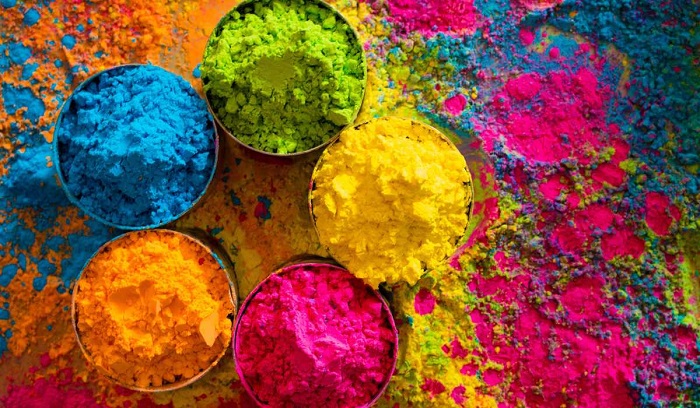
(Samajweekly) Holi looks like a loud party from far away, yet it carries a quiet message. The Holi festival of colors reflects life as it is, mixed with joy, regret, hope, and release. It also arrives with the turn of seasons, when winter loosens its grip and the air feels kinder.
As new leaves appear and flowers begin to scent the streets, people step outside with lighter hearts. On this day, labels soften, and many learn how easy it is to meet as equals.
Why spring makes Holi feel alive
Holi comes when days stretch longer and the sun warms the skin again. Because winter ends, the world looks freshly washed, even before any color is thrown. That change matters to everyday people. It signals a restart, after months of closed doors and heavy clothes.
Streets feel busier, courtyards fill, and voices sound brighter. In many places, the season itself seems to invite community, shared food, and friendly teasing. The festival fits that mood. It doesn’t fight nature, it follows it, like laughter following good news.
Nature’s own colors set the mood for celebration
Fresh green leaves can make even a plain lane look new. Blossoms add pinks, yellows, and whites, while their fragrance sits in the air like a gentle welcome. As a result, the mind often feels less crowded. Playfulness returns, and old worries can feel smaller for a while.
A festival of change: letting go of winter, welcoming a new start
Seasonal change often turns into personal change. Many families’ clean homes, air out bedding, and repair small things they ignored. Besides that, people meet neighbors again, sometimes after long gaps. A new start can be simple, like choosing kinder words, or ending a habit that makes life bitter.
The bonfire and the message: burn the vices, keep the light
Before the color play, many communities mark Holika Dahan, a bonfire that carries strong meaning. The fire is not about anger; it is about release. Pride, jealousy, hate, and harsh speech are treated like dry sticks that don’t belong in the next season.
The ritual asks for honesty, then action. A person can name one weakness, then make a small promise to live differently after the flames fade. Even a quiet vow can last, because it ties a private change to a shared moment.
The bonfire reminds people that heat can destroy harm, but it can also warm a better choice.
What “burning vices” can look like in real life
Apologizing to someone after a long silence
Forgiving a small insult instead of feeding it
Quitting gossip that turns friends into targets
Calming anger by walking away before words turn sharp,
From the Holi Festival of Colors to Hola Mohalla, Punjab’s Spring of Spirit and Courage
Spring in Punjab often arrives like a bright scarf in the wind. Fields turn green, drums carry down village lanes, and laughter rises with the first handful of color. The Holi Festival of Colors is known for that joy, yet the season also carries a Sikh memory that reaches back to the time of the Gurus.
In Amrit Bani, the message appears in a simple image, celebrate Holi by coloring the self in spiritual shades. Later, Sri Guru Gobind Singh Ji shaped that same spring energy into Hola Mohalla, a gathering where love remained, and courage learned to stand beside it.
How the Sikh Gurus connected Holi with spiritual color
For Sikh tradition, color can mean more than powder on the skin. It can point to the mind’s tone, the way a person speaks, shares, and remembers the Divine. Amrit Bani frames Holi as a reminder to “paint” the self with qualities that don’t wash away.
Kindness can be one such color, shown by feeding a hungry stranger. Humility can be another, seen when pride steps back during conflict. Steady remembrance of God becomes a deeper shade, because it guides choices when excitement fades.
When outer color fades by evening, inner color stays for life.
This approach doesn’t reject celebration. Instead, it asks the festival to leave a mark on character.
Holi’s outer colors and the inner colors of character
Playful color brings people close, and it softens old tensions. At its best, the day carries love, unity, devotion, and fellowship. Inner color works like a quiet mirror, it shows what remains after the singing ends.
Why Guru Gobind Singh began Hola Mohalla at Anandpur Sahib
At Anandpur Sahib, near Kesgarh Sahib, the day after Holi gained its own identity. Sri Guru Gobind Singh Ji began Hola Mohalla in Sammat 1757 Chet, turning a familiar spring gathering into a training ground for the Khalsa.
The purpose was clear. The community needed skill in arms and readiness for warfare, yet it also needed restraint and moral strength. So the festival kept its warmth, while adding organized tests of courage.
Accounts describe two teams forming for a mock battle (the Masnui battle). Riders, runners, and fighters displayed ability under watchful eyes. Brave warriors received honor, including crowns, not as vanity, but as public respect for discipline and service.
Kesgarh Sahib, the fair, and the meaning of “Khalsai colors”
Sangat fills the streets, and the air feels busy with prayer, song, and shared meals. In that crowd, “Khalsai colors” suggest a visible spirit, bold, awake, and committed to community.
What makes Hola Mohalla unique: courage on display, faith at the center
Hola Mohalla stands out because it celebrates strength without worshiping violence. Heroic displays appear, Gatka, swordplay, spearman ship, and skill drills, yet control remains the headline. Each movement carries training, timing, and respect.
These events also serve a larger aim. They remind the community to protect the weak, stay united, and be ready when injustice shows its face. In that sense, the Holi Festival of Colors becomes a doorway, while Hola Mohalla becomes a pledge.
Excitement and reverence can share the same ground.
Gatka and martial displays as practice in discipline and fearlessness
Gatka is a Sikh martial art shown with sticks and traditional weapons. Spectators don’t just see speed, they see focus, balance, teamwork, and courage shaped by practice.
However, Punjab’s spring begins with color, then carries that energy into purpose. From the Holi Festival of Colors to Hola Mohalla, joy meets discipline, and fellowship meets brave hearts. Anandpur Sahib still holds that message in motion, celebrate fully, but let the deepest color be character.
Filling up with one’s own colors, joy, kindness, courage
In Holi, colors can also mean values. Many people connect one shade with a trait they want to grow. Saffron may stand for courage, green for patience, pink for care. What color could stand for honesty this year? The idea stays simple, a reminder that character can be chosen daily.
Colors that erase distance: how Holi brings people together
The main attraction of Holi is color, because it blurs the lines that often divide. When faces look the same under bright powder, class and status lose their force, at least for a day. Laughter becomes a shared language, and strangers can greet each other without fear.
Still, respect matters. Many now ask before applying color, since joy works best with consent. People also look for safer, skin-friendly powders and use water with care, so the celebration doesn’t leave harm behind.
For one day, titles fade and neighbors feel like family
Greetings change on Holi. A boss and a worker may smile like old friends, and elders may dance with children. Music, snacks, and open courtyards help people belong. In that warmth, discrimination feels out of place, like a locked door on a bright morning.
In the end, Holi is more than a festival, it is a reflection of life’s many shades. It celebrates spring’s return, when nature dresses in new leaves and perfume-rich flowers. It also honors inner change, through the fire that burns vices and the colors that suggest better habits.