
SAMAJ WEEKLY UK
Bal Ram Sampla
Geopolitics

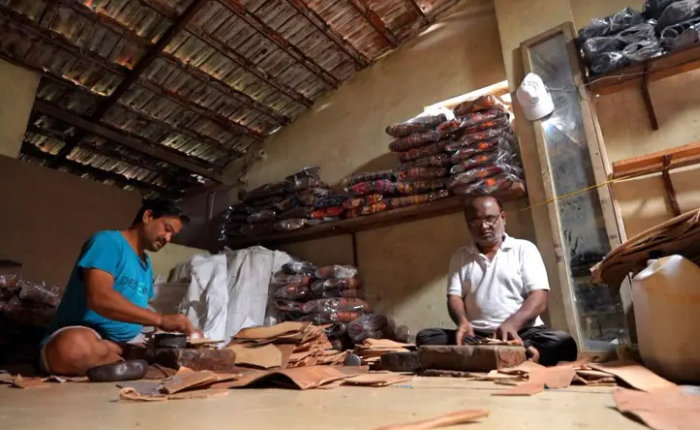
Recently, the global fashion brand Prada released a sandal that looked almost the same as the traditional Kolhapuri chappal—a handmade leather slipper from India. These sandals are made by Dalit (untouchables) artisans, who come from caste-oppressed communities. While Prada sells its version for over ₹1.2 lakh (about $1,400), the real artisans in India earn just ₹200–500 (£1.70– £4.28 approx) per pair. They are not named, not paid fairly, and not respected.
This shows a bigger problem: fashion companies take from poor communities, but give nothing back. The people who creative and skilled are often the most ignored.
Who Are the Real Makers?
Kolhapuri sandals come from Maharashtra. The people who make them are often Dalits—a group that has faced discrimination in India for many centuries. These artisans are very skilled, using techniques passed down through generations. But many are still treated badly because of their caste and their work with leather, which is seen as “polluting ” in society.
Global Brands Take Without Giving
When brands like Prada use these designs, they usually do not say where the idea came from or who made it. This is called cultural appropriation—taking something from another culture without giving credit or support.
Luxury brands make big profits. But the original artists—many of them poor Dalits—remain in poverty. This is not just unfair. It is a form of exploitation.
Do Brands Like Prada Care About Ethics?
Fashion companies like Prada often talk about being responsible, ethical, and sustainable. They say they care about fair trade and workers’ rights. But in real life, they often do not follow their own promises.
This is sometimes called “lip service”—when companies say the right words, but do not take real action. They want to look good, but they do not want to share power or profit.
Legal Protections Are Weak
Kolhapuri sandals have a special legal status in India called a Geographical Indication (GI). This means only artisans from that region should make and sell products under that name. But international brands avoid using the name “Kolhapuri,” so they are not punished.
Now, a legal case has been filed in Bombay High Court against Prada.
What Real Responsibility Looks Like
If fashion brands really want to be ethical, they should:
1. Pay artisans fair wages
2. Credit the communities that created the designs
3. Work directly with Dalit and Indigenous groups, not just with big NGOs
4. Include Dalit designers and cultural experts in decision-making
5. Understand and challenge caste discrimination in the supply chain
Conclusion
This is not just a story about sandals. It is about who gets credit, who gets rich, and who stays invisible. Luxury brands often use the culture of poor communities, but do not support the people behind that culture—especially if they are from lower castes or marginalised backgrounds.
Until brands like Prada share power and profit—and truly respect the people they borrow from—they are not being ethical. They are just making money from someone else’s tradition, while the real creators continue to suffer.
Fashion must change—not only in style, but in justice.
References
1. ‘ Do they have gold in them?’: The Indian artisans up in arms over Prada’s sandals
https://share.google/WYEDJKe6qdhWk9Lp5
2. India tags it, West sells it. Can Prada’s Kolhapuri row lead to real reform? https://www.indiatoday.in/business/story/prada-kolhapuri-chappal-gi-tag-law-protection-indian-articrafts-artisans-reform-global-policy-fashion-2750757-2025-07-04?utm_source=washare&utm_medium=socialicons&utm_campaign=shareurltracking
3. Why Prada’s latest Sandal sparked a debate on cultural credit
https://ground.news/article/prada_ea8b11?utm
4.”Social spotlight: culture, conflict and controversy”
https://gipi.ai/news/social-spotlight-culture-conflict-and-controversy/?utm