
SAMAJ WEEKLY UK

Bal Ram Sampla
Geopolitics
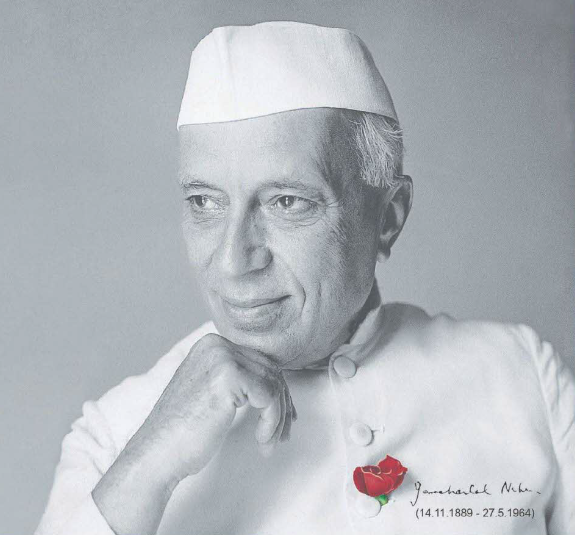
Jawaharlal Nehru’s foreign policy was a disaster born of historic delusion. Guided by a naive, Gandhian belief in non-violence and moral prestige, Nehru consistently traded India’s land, water, and security for international applause. He treated global politics like a high-minded debate, while India’s neighbors played by the brutal rules of jungle law.
The devastating price of his idealism is proven by three historic surrenders:
1. Kashmir (1948): Stopping a Winning Army
During the first war over Kashmir, the Indian Army had the upper hand and was successfully driving out Pakistani invaders. Instead of letting the military finish the job, Nehru abruptly halted the war.
Obsessed with looking like a global man of peace, he ran to the newly formed United Nations and foolishly promised a plebiscite. By turning a domestic, sovereign matter into an international dispute, Nehru walked right into a Cold War trap. The UN hijacked the issue, protected Pakistan, and frozen Kashmir into a permanent, bleeding conflict that has cost thousands of Indian lives.
2. The Indus Waters Treaty (1960): Financing the Enemy
In 1960, Nehru signed the Indus Waters Treaty, a deal that represents total geopolitical capitulation. Believing he could buy Pakistan’s friendship with supreme generosity, he simply gave away India’s natural geographic leverage.
The Water: Nehru surrendered exclusive rights to the three largest rivers (Indus, Jhelum, Chenab), handing roughly 80% of the entire basin’s water to Pakistan.
The Cash: To compound the madness, he forced a poor, developing India to write a check for £62 million directly to Pakistan to build their new canal systems.
Nehru literally funded the infrastructure of a deadly rival. Pakistan took the water, took the cash, and launched another war against India just five years later in 1965.
3. China (1962): Blind Trust and Military Ruins
The ultimate failure of Nehru’s pacifism was his blind trust in Communist China. Chanting the delusional slogan “Hindi-Chini Bhai Bhai,” Nehru ignored urgent warnings from his own military chiefs and leaders like Sardar Patel that China was weaponizing the border.
Nehru viewed a large military budget as a waste of money that conflicted with his peaceful ideals. He starved the armed forces of funds, proper weapons, and even winter clothing. The brutal receipt arrived in 1962, when China launched a swift invasion, crushing India’s under-equipped, outnumbered soldiers who were left to fight in the freezing Himalayas in canvas shoes.
The Verdict
Nehru prepared India for a utopian world of morals and treaties, leaving it completely exposed to a real world ruled by iron and force. By choosing moral lecturing over military readiness and unilateral concessions over national interest, he did not protect India—he crippled its strategic future for generations.
Source:
1.https://youtube.com/shorts/ImC_d_UpJXU?si=bxUqU1YAxt2IYcI_
2.https://en.wikipedia.org/wiki/Indus_Waters_Treaty?hl=en