
SAMAJ WEEKLY UK
A volunteer-led charity has submitted a wide-ranging education policy framework to the Department for Education, arguing that schools cannot improve outcomes for children without addressing the wider social and institutional pressures that shape their lives.
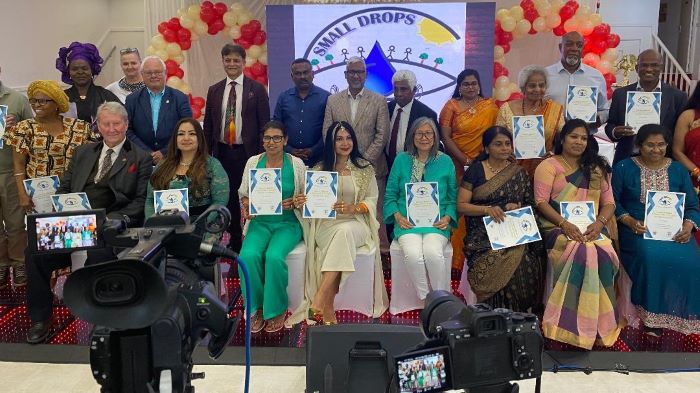
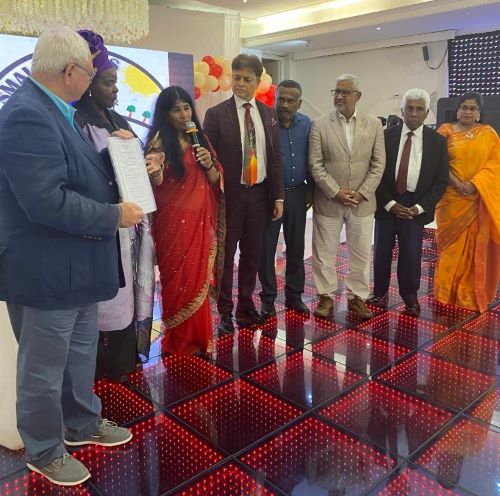 The submission came during Voice for Peace and Harmony, the inaugural international roundtable organised by Small Drops in London, where more than 250 educators, academics, local government representatives, community organisations and policy specialists gathered to discuss education, peacebuilding and social cohesion.
Rather than presenting education as an isolated policy area, the charity’s 62-page paper – Integrated System Framework for Educational Autonomy and Structural Vulnerability – proposes a model that brings together schools, local authorities, universities, health services and voluntary organisations in a more coordinated approach to supporting children and young people.
The framework argues that educational outcomes are inseparable from wider structural challenges, including poverty, safeguarding, community resilience and access to public services. It positions schools not simply as places of learning but as institutions operating within broader systems that require greater collaboration if inequalities are to be addressed effectively.
For Small Drops, an organisation run entirely by volunteers, the formal submission marked an important step from community advocacy towards policy engagement.
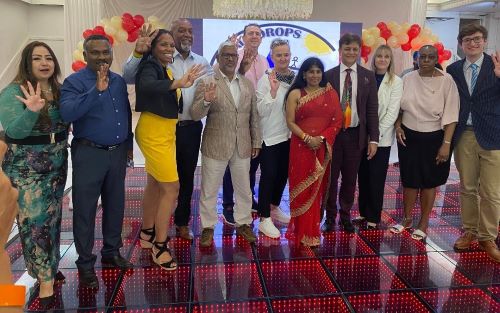 “Our hope is that this contributes to a wider conversation about creating education systems that are more collaborative, resilient and inclusive,” said the charity’s founder, Balananthini Balasubramaniam, speaking during the event. She described the roundtable as an opportunity to create dialogue between grassroots organisations and decision-makers rather than presenting fixed solutions.
Throughout the day, panel discussions examined questions that increasingly occupy policymakers: how schools respond to safeguarding challenges, the role of youth leadership, the importance of intercultural understanding and whether education can play a greater part in strengthening social cohesion at a time of growing social division.
Among those contributing were broadcaster and international journalist Dr Ian Pelham Turner, former MP Keith Best, advisory board chair Dr Nicola Garrington, Councillor T Jeyaranjan and representatives from the International Children’s Peace Network, alongside members of Small Drops’ leadership team.
Councillor Bhagwanji Chohan of Brent Council welcomed the charity’s efforts to bring together practitioners from different sectors, saying organisations rooted in local communities can make an important contribution to debates about the future of education.
 While education policy in England is often dominated by discussions around examinations, standards and school accountability, the conference reflected a growing interest among some practitioners in approaches that place equal emphasis on wellbeing, institutional resilience and cross-sector partnership.
The event also highlighted the increasingly international nature of education policy discussions, with participants drawing on experience from community development, peacebuilding and international cooperation alongside more traditional educational practice.
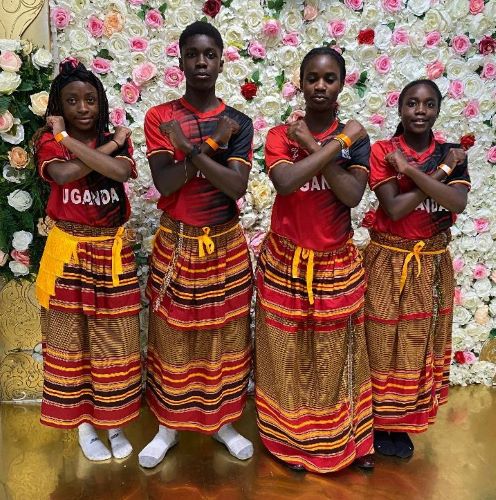
One of the day’s most striking moments came away from the policy discussions. Members of the Buule Cultural Troupe performed a powerful dramatic piece depicting the realities of human trafficking and child sexual exploitation, prompting reflection on the vulnerabilities many young people continue to face beyond the classroom.
Delegates also included representatives from education, local government, civil society and international organisations, among them Mahendra Negi, Tarun Ghulati and Dr Grace Eganda.
The conference’s headline sponsor, Crystal Event Management, supported the event, while organisers stressed that Small Drops continues to operate without paid staff or administrative overheads, directing all charitable contributions towards health and education projects in developing countries, particularly India.
Whether the Department for Education engages directly with the charity’s proposals remains to be seen. But the submission signals an ambition to move beyond charitable service delivery towards influencing national policy, reflecting a wider trend of civil society organisations seeking a more active role in shaping public debate.
For those attending, the significance of the day lay less in immediate political outcomes than in the attempt to build connections across sectors that often operate separately. In an era when education is increasingly expected to address complex social challenges, the conversations in London suggested that many believe lasting change may depend as much on collaboration between institutions as on reform within schools themselves.