SAMAJ WEEKLY UK
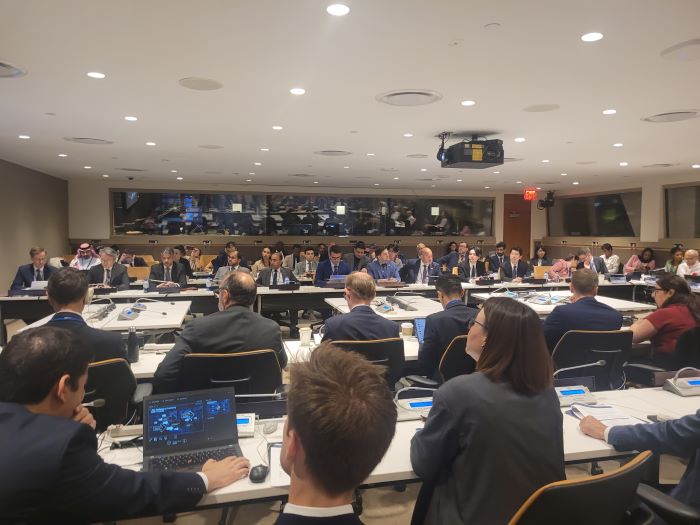
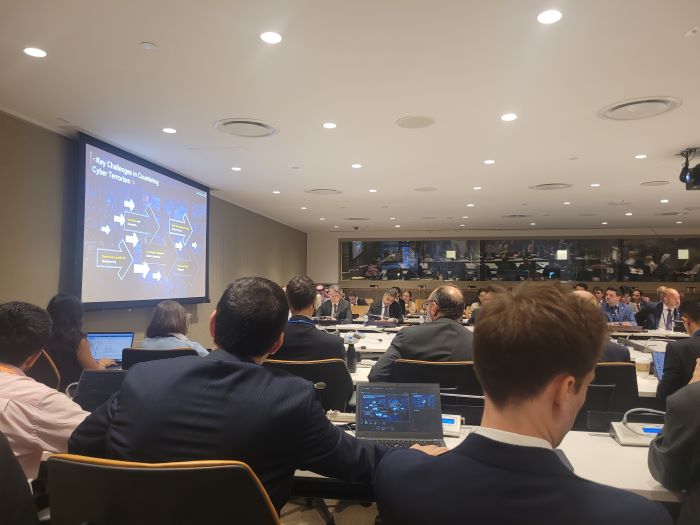
New York, 2 July 2026 — The Fourth United Nations Counter-Terrorism Week (CT Week) is currently underway at United Nations Headquarters in New York, bringing together senior government officials, heads of counter-terrorism agencies, policymakers, international organizations, experts, and civil society representatives from around the world to strengthen global cooperation in addressing terrorism and violent extremism.
Held from 26 June to 2 July 2026, the Fourth United Nations Counter-Terrorism Week is organized by the United Nations Office of Counter-Terrorism (UNOCT) under the overarching objective of strengthening collective international efforts to prevent and counter terrorism while upholding human rights, the rule of law, and international law. The week serves as a key global platform for dialogue, strategic coordination, and collaborative action on emerging security challenges.
The flagship event of the week, the Fourth High-Level Conference of Heads of Counter-Terrorism Agencies of Member States, took place on 29–30 June 2026, focusing on current terrorism trends, evolving threats, and innovative prevention strategies. Key agenda areas include strengthening international cooperation, preventing violent extremism conducive to terrorism, countering terrorist financing, enhancing border security, addressing terrorist misuse of emerging technologies including artificial intelligence and digital platforms, and advancing prevention-focused community resilience strategies.
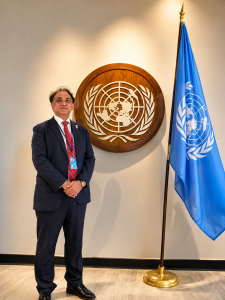 Shammi Rana, Chief Executive Officer of the International Council of Traditional Sports and Games (ICTSG), is participating in the event upon invitation from the Secretariat of UNOCT.
Mr. Rana is also the Former Rapporteur of the Ad Hoc Advisory Committee on Traditional Sports and Games, UNESCO (2017–2019), where he contributed to international policy dialogue on the safeguarding, promotion, and sustainable development of traditional sports and indigenous games worldwide.
Mr. Rana’s participation in the 2026 Counter-Terrorism Week builds upon his prior engagement with UNOCT. In March 2025, he participated in the UNOCT programme “Securing the Legacy: Debriefing from Paris 2024,” where global stakeholders examined the legacy of sport-based approaches in advancing peace, security, and prevention strategies. His continued engagement reflects sustained involvement in international dialogue on the role of sport, culture, and community-based initiatives in promoting resilience, inclusion, and social cohesion.
The United Nations has emphasized that terrorism cannot be defeated through security measures alone. Long-term prevention requires a whole-of-society approach involving education, youth engagement, community participation, social inclusion, and addressing conditions that may contribute to radicalization. This perspective has increasingly opened space for cultural and sport-based interventions as valuable tools for peacebuilding and prevention.
 Within this global framework, traditional sports and indigenous games are increasingly recognized as meaningful instruments for promoting social cohesion, intercultural dialogue, youth empowerment, discipline, inclusion, and peaceful participation. Their contribution aligns closely with broader international efforts to build resilient communities and foster mutual respect across diverse societies.
This engagement highlights the increasing recognition of community-centered approaches in strengthening resilience, inclusion, and sustainable peace. It also reflects the growing relevance of sports, cultural heritage, and grassroots participation in addressing social fragmentation and fostering constructive civic engagement.
The International Council of Traditional Sports and Games (ICTSG) is a registered non-profit organization based in California, United States, registered in February 2024. The organization is dedicated to the promotion, preservation, safeguarding, and global advancement of traditional sports and indigenous games as part of humanity’s living cultural heritage.
ICTSG works internationally with institutions, communities, practitioners, and stakeholders to advance initiatives supporting cultural preservation, youth development, peacebuilding, education, and the 2030 Agenda for Sustainable Development. Through advocacy, partnerships, and community-based programmes, ICTSG promotes traditional sports and games as practical instruments for inclusion, dialogue, conflict prevention, and mutual understanding.
Participation in the Fourth United Nations Counter-Terrorism Week reinforces the importance of inclusive multi-stakeholder collaboration involving governments, international organizations, civil society, cultural institutions, and community leaders in addressing complex global challenges and advancing long-term peace, security, and resilience.