
SAMAJ WEEKLY UK

Bal Ram Sampla
Geopolitics
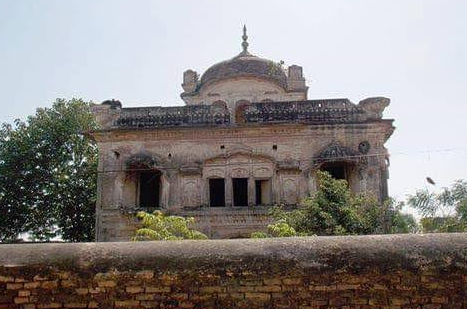
When a historic 125-year-old Gurdwara was recently demolished by a businessman in Pakistan’s Punjab province, the local Sikh community in Pakistan protested immediately. Mainstream Sikh organizations in India, like the SGPC and DSGMC, along with the Indian government, stepped in quickly to lodge formal complaints and demand that the shrine be rebuilt.
However, political diaspora groups like Sikhs for Justice (SFJ) and its leader, Gurpatwant Singh Pannun, have stayed completely silent on the issue. This lack of a response raises a critical question: Why have they gone quiet, and do they really represent overall Sikh interests?
1. Political Alignment and Strategic Support
Geopolitical experts point out that groups like SFJ operate with specific political alliances. Historically, modern Khalistani separatist groups have relied on logistical, political, or safe-haven support from elements within Pakistan. Because of this strategic relationship, openly protesting against the Pakistani government or its local authorities would disrupt their primary backing. They choose silence to protect their own political interests.
2. The “One Enemy” Focus
The entire narrative of the SFJ is built around a single target: the Indian state. Their campaigns, videos, and voting events focus strictly on opposing India. If they were to publicly condemn the destruction of Sikh heritage sites or the challenges faced by religious minorities in Pakistan, it would complicate their core political message, which is to argue that Sikhs are only treated unfairly in India.
3. Do They Represent True Sikh Interests?
For the vast majority of the global Sikh community, the answer is no. Mainstream Sikhs view these diaspora political groups as opportunistic.
(1) The Core Sikh Philosophy: In the Sikh faith, standing up for justice, protecting historical shrines, and defending the vulnerable are universal duties. A true representative of Sikh values would protest the destruction of a holy Gurdwara no matter which country it happens in.
(2) Selective Outrage: By choosing when to speak and when to stay silent based on political maps rather than religious principles, these groups show that their goals are purely political, not spiritual.
While groups like SFJ use loud media campaigns for their own projects, their complete silence on the destruction of the Farooqabad Gurdwara shows that they put their own political strategies ahead of the broader preservation of Sikh heritage.
References
1.https://www.hindustantimes.com/cities/chandigarh-news/mea-sgpc-condemn-demolition-of-historic-gurdwara-in-pakistan-restoration-ordered-101782932843327.html?hl=en
2.https://www.indiatoday.in/amp/world/story/pakistan-gurdwara-demolition-farooqabad-punjab-restoration-sikh-protests-ptag-2938616-2026-07-01?hl=en